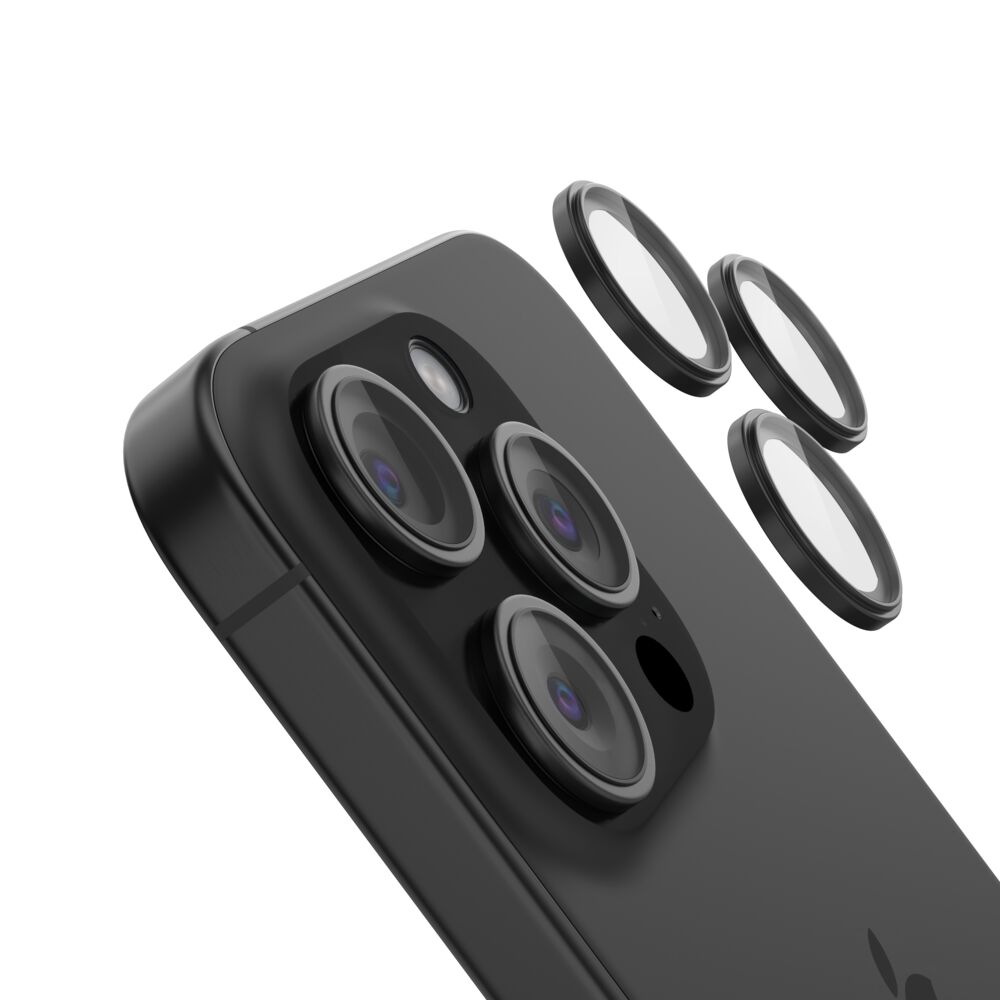
Top 5 Reasons Your Camera Needs a Lens Protector in Adventure Photography
When venturing into the great outdoors for adventure photography, protecting your camera lens should be a top priority. The first reason to invest in a lens protector is to shield your lens from dust, dirt, and moisture. Whether you're hiking through a sandy desert or capturing waterfalls in a rainy forest, the conditions can be harsh. A lens protector acts as a first line of defense, ensuring that your lens remains clean and clear, allowing you to capture stunning images without compromising on quality.
Another significant reason your camera needs a lens protector is to prevent scratches and other physical damage. Adventure photography often involves rough terrains and unexpected situations. A simple bump against a rock or a fall can result in costly repairs or, worse, the need for a full lens replacement. By using a lens protector, you are adding a layer of security that can absorb impacts and keep your lens safe. In the long run, this investment can save money and give you peace of mind while you focus on capturing incredible moments.
Protecting your iPhone 17 Pro Max's camera lens is essential to maintaining its photographic capabilities. For an optimal safeguard, consider reviewing the Top 10 iPhone 17 Pro Max lens protector glass options available on the market. These protectors offer durability and clarity, ensuring that your photos and videos remain stunning.
How to Choose the Right Lens Protector for Your Camera
Choosing the right lens protector for your camera is crucial for preserving the quality of your images and extending the life of your lens. With a variety of options available, it's essential to consider factors like material, thickness, and multi-coating. Start by evaluating the material; common choices include UV filters, clear filters, and polarizing filters. UV filters are designed to block ultraviolet light, while clear filters provide basic protection without affecting image quality. Polarizing filters not only protect the lens but also reduce glare and improve color saturation.
Next, consider the thickness of the lens protector. Thicker filters can provide better protection against impacts but may also introduce unwanted distortion if not of high quality. Look for filters with multi-coating, as these reduce flare and ghosting, enhancing overall image quality. To make an informed decision, read user reviews and check compatibility with your camera model. Ultimately, the right lens protector will depend on your specific photography needs and style, ensuring your investment in quality lenses remains safe.
Can a Lens Protector Really Save Your Camera in Harsh Conditions?
When it comes to protecting your camera gear, especially in harsh conditions, a lens protector can be a game-changer. Photographers often be wary of exposing their camera lenses to elements such as dust, moisture, and impact. Utilizing a lens protector, which usually takes the form of a clear filter, can offer a crucial layer of defense. This minimal investment can save you from costly repairs or replacements when faced with environmental challenges like rainy weather or sandy locations.
However, the effectiveness of a lens protector largely depends on the type and quality of the glass used in the filter. While a high-quality lens protector can enhance your shooting experience by preserving the clarity of your images, a low-quality one may introduce unwanted distortions. In harsh conditions, it's essential to choose a reputable brand that guarantees optical clarity and resilience. In summary, a lens protector can indeed save your camera in tough environments, but selecting the right one is crucial for optimal protection.