The Evolution of Competitive CS2: From Grassroots to Global Tournaments
The landscape of competitive CS2 has undergone a remarkable transformation since its humble beginnings in grassroots communities. Initially, players gathered in local LAN cafes, forging friendships and rivalries as they battled each other in small-scale tournaments. These early events laid the foundation for a vibrant esports culture, where skill was honed in community-organized matches and players dreamt of making it big. As the game gained popularity, more structured competitions emerged, paving the way for the formation of teams and sponsorship deals. Players transitioned from casual gaming to dedicated, full-time athletes, as the competition became increasingly fierce.
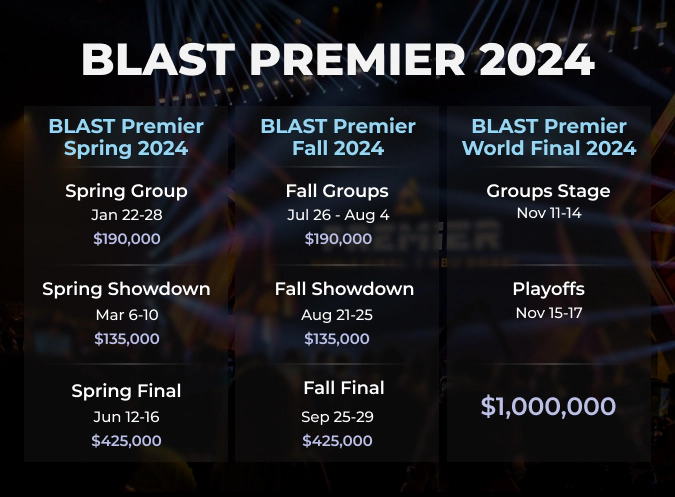
As CS2 evolved, so did the scale and scope of its esports tournaments. Major organizations began hosting global events, such as the CS2 World Championship, attracting teams from around the world to compete for prestigious titles and significant cash prizes. The rise of online streaming platforms provided a platform for fans to engage with the content, drastically increasing viewership and making competitive play accessible to millions. This evolution not only showcased extraordinary talents but also highlighted the strategic depth of the game, allowing it to capture the attention of both seasoned gamers and newcomers alike.
Counter-Strike is a highly popular multiplayer first-person shooter game that has captivated players worldwide. One of the most sought-after items in the game is the karambit blue gem, known for its unique design and rarity. Players compete in teams to complete objectives or eliminate opponents, making strategy and teamwork essential for success.
Top 5 Strategies for Success in CS2 Pro Tournaments
Success in CS2 Pro Tournaments relies on a blend of skill, strategy, and mental resilience. Here are the top 5 strategies that can significantly enhance your chances of victory:
- Mastering Game Mechanics: Familiarize yourself with all weapon stats, movement techniques, and map layouts. Knowledge of these key elements can provide you with a competitive edge.
- Effective Team Communication: Maintain clear and concise communication with your team. Utilize voice chat to call out enemy positions and strategize plays.
- Adaptability: Be prepared to adjust your strategies based on the flow of the match. Flexibility can turn the tide in high-pressure situations.
- Regular Practice: Consistent practice sessions help in honing your skills. Incorporate drills that focus on aim, positioning, and teamwork.
- Analyzing Opponents: Review replays of your matches and those of your competitors. Understanding enemy tactics can help you anticipate their moves and counter effectively.
What Makes a Great CS2 Team: Insights from the Pros
Creating a great CS2 team requires a combination of individual talent and team synergy. According to professional players, communication is the cornerstone of a successful roster. Teams that prioritize open dialogue, whether through voice chat or in-game signaling, can quickly adapt to evolving situations during matches. They also emphasize the importance of roles, with each member understanding their responsibilities, whether it's entry fragging, support, or sniping. A well-defined structure allows players to maximize their strengths and complement each other effectively.
Moreover, continuous practice and strategy development are vital for team growth. Pros recommend regular scrims against various opponents to expose weaknesses and refine techniques. Analyzing gameplay footage, both of their own and of top teams, helps to identify effective tactics and improve decision-making skills. Additionally, fostering a positive team culture can significantly impact performance; teams that maintain strong morale and mutual respect are often more resilient in high-pressure scenarios.