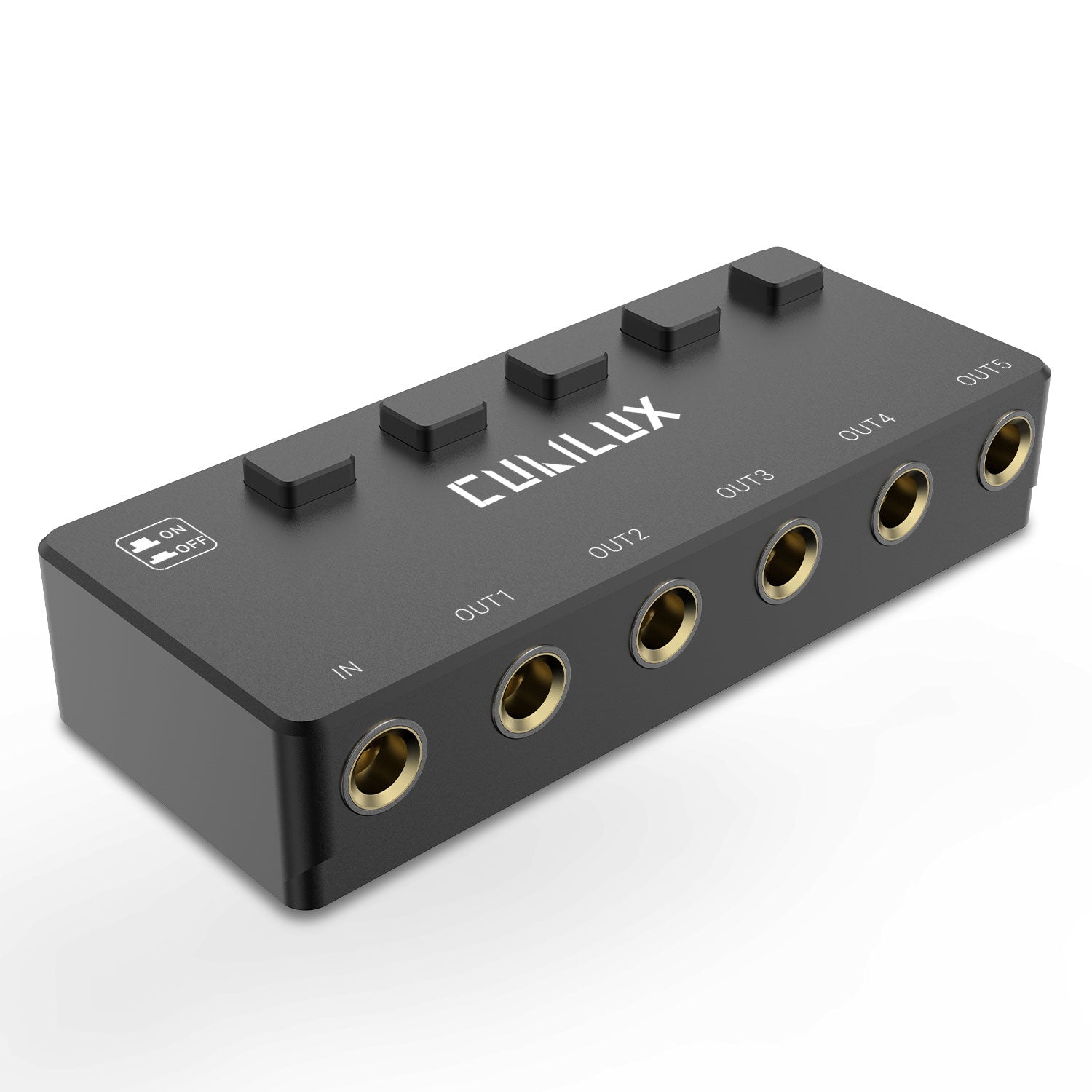
Understanding Different Types of Audio Splitters: Which One is Right for You?
When it comes to audio splitters, understanding the different types available can significantly enhance your audio experience. Audio splitters typically fall into two categories: passive and active. Passive audio splitters require no power source; they simply divide the audio signal between multiple outputs. This type is useful for basic applications such as connecting two pairs of headphones to a single device. On the other hand, active audio splitters use an external power source to amplify the signal, making them ideal for connecting multiple devices or long cable runs without loss of quality.
When choosing the right audio splitter, consider your audio needs. If you're looking to share music with a friend or two while maintaining sound quality, a passive audio splitter may suffice. However, if you need to connect various devices in a professional setup, investing in a high-quality active audio splitter is advisable. Think about the number of outputs you require as well: splitters can range from 2-way models to complex setups with 4 or more outputs. Each type serves different purposes, so knowing your specific needs is essential.
Counter-Strike is a highly popular multiplayer first-person shooter game that pits teams of terrorists against counter-terrorists in various objective-based game modes. Players can strategize and communicate to outmaneuver their opponents, making teamwork a crucial element in winning matches. For gamers looking to enhance their audio experience, check out the Top 10 Headphone Splitters that can help connect multiple devices for a better sound experience.
The Ultimate Guide to Choosing the Perfect Audio Splitter for Any Event
When planning an event that requires audio distribution, selecting the right audio splitter is crucial for ensuring quality sound. A good audio splitter can help you deliver crystal-clear audio to multiple speakers or venues without degrading the signal. Before making a decision, you should consider several factors, including the event size, the type of audio output needed, and the specific features that meet your requirements. For instance, a small gathering may suffice with a simple 2-way splitter, whereas larger events might necessitate a more complex multi-channel option to accommodate various audio sources.
Another important aspect to consider is the connectivity options. Look for audio splitters that support the formats you intend to use, whether it’s XLR, 1/4 inch TRS, or RCA. Additionally, think about whether you need powered splitters, which amplify the audio signal and reduce the chance of loss over long distances. By analyzing your event’s specific audio needs and understanding the features of different audio splitters, you’ll be able to confidently choose one that provides the best sound experience for your audience.
Common Questions About Audio Splitters: How to Maximize Your Listening Experience
Audio splitters are essential tools for anyone looking to enhance their listening experience. These devices allow multiple users to connect their headphones or speakers to a single audio source, making them perfect for sharing music or watching movies with friends. Common questions often arise regarding their functionality, types, and compatibility with various devices. For instance, many users wonder, 'Will using an audio splitter degrade sound quality?' The short answer is: it depends on the splitter's quality and the type of audio signal being used. Higher-quality splitters maintain sound clarity and volume, while cheaper options may result in distortion or a drop in audio fidelity.
When choosing an audio splitter, it's important to consider key factors such as the number of outputs, the type of connector, and whether it supports stereo sound. Here are some common questions you might have:
- How many outputs do I need? Depending on your usage, you may require a splitter with two, three, or even more outputs.
- Can all audio splitters support both headphones and speakers? Not all splitters are created equal; ensure compatibility with your specific audio devices.
- Is there such a thing as a powered audio splitter? Yes, powered splitters can amplify sound and improve quality when connecting multiple outputs.
By addressing these commonly asked questions and understanding your needs, you can select the right audio splitter and truly maximize your listening experience.