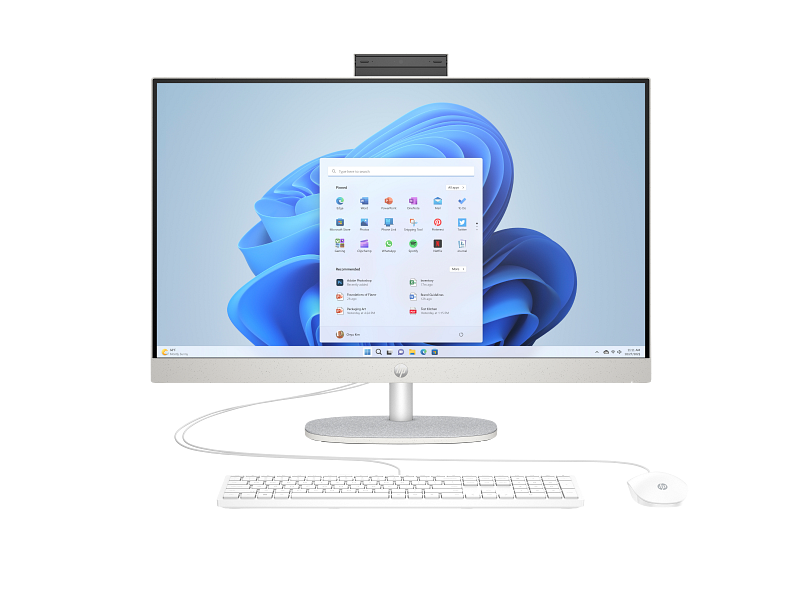
The Impact of Screen Size on Your Workflow: Finding the Perfect Fit
In today's fast-paced digital world, the screen size of your device can have a significant impact on your productivity and overall workflow. A larger display, for instance, allows for easier multitasking by providing more screen real estate for various applications. You can arrange multiple windows side by side, minimizing the need to switch back and forth, which can interrupt your concentration. On the other hand, smaller screens can be limiting, especially for tasks that require attention to detail, such as graphic design or video editing. In this ever-evolving landscape, finding the perfect fit for your screen size is pivotal to optimize your efficiency.
Moreover, the type of work you do plays a crucial role in determining the ideal screen size. For example, professionals in fields such as programming or data analysis might benefit from larger screens or even dual monitors to view complex code or large datasets simultaneously. According to a recent survey, screens larger than 27 inches have been shown to enhance productivity by up to 30%. On the other hand, mobile professionals may find that smaller screens on laptops or tablets offer the portability they need without compromising usability. Ultimately, understanding how screen size aligns with your workflow can help you make informed decisions that enhance your daily tasks.
Finding the right support for your device can enhance your viewing experience significantly. In the search for convenience and portability, check out the Top 10 Foldable Phone Stands that cater to different preferences and needs. These innovative stands combine functionality with sleek designs, making them perfect companions for both work and play.
Curved vs. Flat: Which Monitor Shape Boosts Productivity?
When it comes to enhancing productivity in the workspace, the debate between curved and flat monitors is a significant one. Curved monitors are designed to provide a more immersive experience by wrapping around the user's field of vision, which can reduce eye strain and improve concentration during long tasks. This curvature helps to create a panoramic effect that can be particularly beneficial for creative professionals or gamers who need to maintain focus over extended periods. Additionally, the improved depth perception often provided by curved screens can enhance multitasking by allowing users to view multiple windows without losing clarity.
On the other hand, flat monitors continue to be a popular choice for many users due to their versatility and compatibility with a wide range of setups. They tend to take up less physical space, making them suitable for smaller desks or multi-monitor environments. Furthermore, flat monitors are often more affordable and widely available, catering to a larger audience. When evaluating which monitor shape can truly boost productivity, it ultimately depends on individual needs and use cases. For those involved in design and immersive workflows, a curved monitor could provide advantages that translate into higher efficiency. However, for standard office tasks and general use, a flat monitor may suffice.
How Resolution and Refresh Rate Influence Your Daily Output
The resolution and refresh rate of your display can significantly impact your daily output, particularly if you spend hours in front of a monitor. When the resolution is high, it allows for greater detail and clarity in visuals, which can enhance your ability to focus on tasks. For instance, a screen with 4K resolution can provide sharper text and images, reducing eye strain and making it easier to engage in activities such as graphic design or video editing. A higher resolution also means that you can fit more content on the screen at once, which is particularly beneficial for individuals multitasking with numerous applications.
On the other hand, a higher refresh rate can lead to a smoother visual experience, particularly for tasks that involve quick movements, such as gaming or video playback. Displays with refresh rates of 120Hz or higher can provide a significant advantage by reducing motion blur, making it easier to track fast-moving subjects on the screen. This smoothness not only enhances enjoyment but can also lead to better productivity when working with demanding software. Therefore, understanding how these two factors influence your daily output can help you make more informed decisions when selecting your next monitor or display setup.