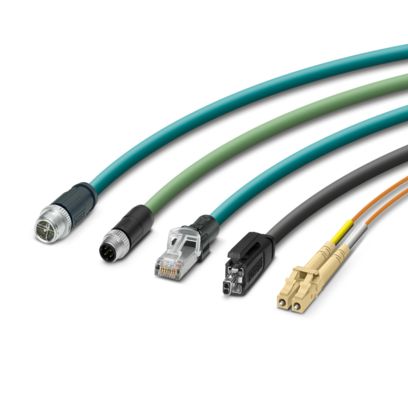
Understanding the Different Types of Cables: Which One Do You Need?
When it comes to technology and connectivity, understanding the different types of cables is essential. There are several major categories of cables, including HDMI, USB, Ethernet, and audio cables, each serving a unique purpose. For instance, HDMI cables are the standard for transmitting high-definition video and audio from devices such as televisions and gaming consoles. On the other hand, USB cables are widely used for data transfer and charging devices, available in various versions such as USB 2.0, 3.0, and the latest USB-C.
To determine which cable you need, consider the devices you are connecting and the data or video quality you desire. For example, if you're setting up a home theater system, you might prioritize HDMI cables for the best audio-visual experience. Conversely, if connecting peripherals like a keyboard, mouse, or printer to a computer, a USB cable would be more appropriate. Additionally, for stable internet connections, Ethernet cables are crucial for wired networking solutions. Always ensure to choose the right type to enhance performance and compatibility.
Counter-Strike is a popular multiplayer first-person shooter game that pits teams against each other in various objective-based scenarios. Players can choose to be part of the terrorist or counter-terrorist team, working strategically to complete missions or eliminate the opposing team. As you immerse yourself in the action, you might also find useful gear for your gaming sessions; here are the Top 10 Travel Accessories for Tablets to enhance your mobile gaming experience.
How Cables Enable Seamless Connectivity in Our Daily Lives
Cables play a crucial role in the seamless connectivity we experience in our daily lives, serving as the backbone for various devices, from our computers to our smartphones. Whether it's the HDMI cables that connect our TVs to streaming devices or the USB cables that charge our electronics, these essential tools facilitate communication and data transfer. The variety of cables available, including Ethernet cables for internet connectivity and optical fiber cables for high-speed data transmission, ensure that we remain connected in an increasingly digital world. This connection not only keeps us entertained but also enhances productivity for both personal and professional environments.
Moreover, the integration of cables in our lives extends beyond simple connectivity. For instance, innovations such as powerline adapters utilize existing electrical wiring to transmit internet signals, effectively eliminating dead zones in our homes. Additionally, with the growing importance of smart home technology, various cables facilitate the interconnectivity of devices, creating a seamless experience for users. As technology continues to evolve, the importance of these often-overlooked components becomes more apparent, highlighting how cables are essential to our daily routines and interactions.
The Evolution of Cables: From Copper to Fiber Optics
The evolution of cables has dramatically transformed the way we communicate and transmit data. Initially, copper cables dominated the landscape, providing a reliable means for telegraph and telephone systems to convey information over long distances. These cables, made from twisted pairs of copper wires, were efficient for their time but faced limitations in speed and bandwidth. As technology advanced, the need for faster and more efficient data transfer became apparent, setting the stage for the next major innovation in cabling.
The advent of fiber optics marked a revolutionary shift in the cable industry. Instead of conductive metals, these cables utilize glass or plastic fibers to transmit data as light pulses, significantly increasing transmission speeds and capacity. Fiber optics not only provide lower signal loss over long distances but also enable a higher level of security and immunity to electromagnetic interference, making them ideal for the burgeoning demands of the internet and telecommunications. As we continue to embrace digital transformation, understanding the evolution from copper to fiber optics is essential for anyone interested in the future of connectivity.