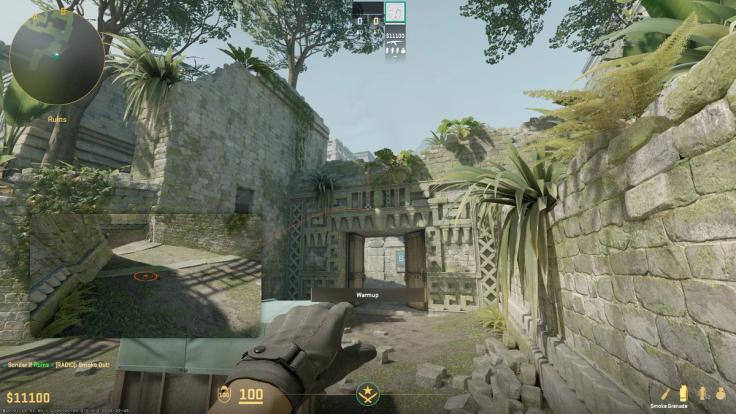
Mastering the Art of Deception: Psychological Tactics for T-Side Dominance
Mastering the Art of Deception in first-person shooter games, notably in a competitive arena like Counter-Strike, often requires players on the T-Side to employ psychological tactics that can turn the tide of a match. One effective method is to utilize misdirection, which involves creating a false sense of security or expectation for your opponents. By feigning a push in one area while actually rotating to another, players can exploit the enemy's confusion and gain a tactical advantage. This tactic can be amplified using sound cues, where players intentionally generate noise in a location while the rest of the team prepares for an assault elsewhere.
Moreover, understanding your opponents' psychology is vital for T-Side dominance. Engaging in mind games—such as alternating between aggressive pushes and calculated retreats—can keep enemies on their toes and second-guessing their strategies. Building on this, consider team-based feints where multiple players simulate an attack, forcing the defenders to commit to a spot, while other teammates flank from a different angle. These psychological tactics not only enhance your gameplay but can also lead to unexpected victories in high-stakes situations, making it essential for aspiring players to practice and develop these skills.
Counter-Strike is a popular tactical first-person shooter franchise that has captivated millions of players around the world. Players choose between two teams, terrorists and counter-terrorists, and compete in various game modes. To enhance their gameplay experience, many players are also interested in trading and acquiring virtual items, such as skins. For those looking to find the Top-Gewinner von CS2 Skins, there are dedicated platforms that showcase top winners and their prized possessions.
Unconventional Smoke and Flash Strategies: Creating Chaos on the Map
In the realm of tactical gameplay, the use of unconventional smoke and flash strategies can significantly alter the dynamics of a map. By deploying smoke or flashbangs in unexpected locations, players can create confusion among opponents, allowing for surprise flanking maneuvers or quick escapes. For instance, consider throwing a smoke grenade into a location where it’s not typically expected, such as behind cover rather than in the center of a site. This can obscure sightlines and disrupt enemy communication, enabling your team to gain the upper hand without the need for direct confrontation.
Moreover, coordinating these strategies with teammates can maximize their effectiveness. Here are a few tips for implementing these chaotic tactics:
- Utilize Timing: Synchronize your smoke and flash usage with team movements to create distractions at critical moments.
- Mix Up Your Patterns: Regularly change the locations and timings of your smoke and flash deployments to prevent opponents from predicting your strategy.
- Communicate: Ensure clear communication when employing these unconventional tactics to maintain team cohesion amidst the chaos.
Are You Playing the Mind Game? Top 5 Ways to Outthink Your Opponents on T-Side
In the fast-paced world of competitive gaming, particularly in first-person shooters, mastering the T-side strategy is crucial. The ability to outthink your opponents can often mean the difference between victory and defeat. To help you elevate your game, here are the top five ways to play the mind game against your adversaries. Emphasizing tactical plays, deception, and resourceful strategies can turn the tide in your favor.
- Utilize Misdirection: One effective tactic is to create distraction. Engage a group of enemies while another teammate executes the main strategy at a different point.
- Communicate Effectively: Always maintain communication with your team. Inform them of your plans, changes, and enemy positions to stay coordinated.
- Utilize Map Knowledge: Familiarize yourself with the map to predict enemy movements. Understanding common hiding spots can give you the upper hand.
- Adapt Your Playstyle: Be flexible. If a strategy isn’t working, be willing to change tactics mid-game to keep your opponents guessing.
- Observe and Learn: Take time to watch how your opponents react to various strategies. Use this information to exploit their weaknesses in future rounds.