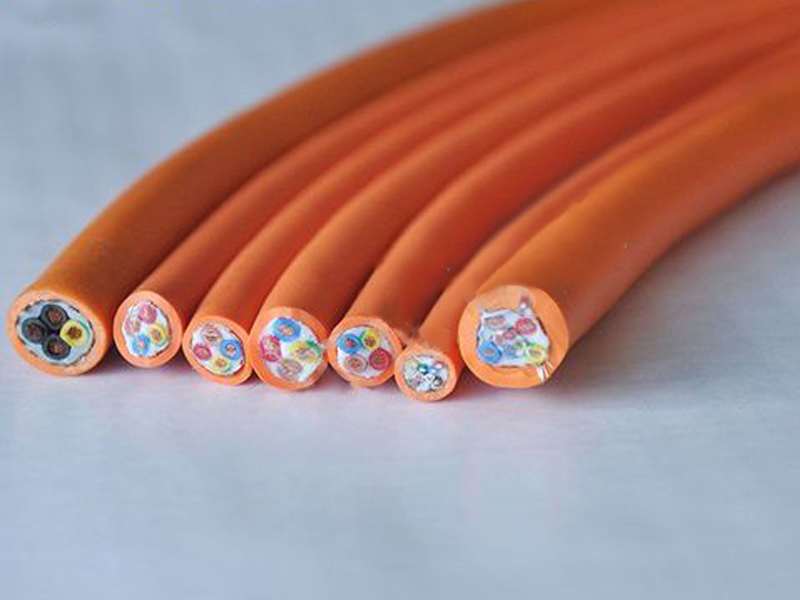
The Unsung Heroes: How Flexible Cables Revolutionize Modern Technology
In the ever-evolving landscape of modern technology, flexible cables stand out as the unsung heroes that provide the critical links between devices. Unlike their rigid counterparts, these cables are engineered to withstand movement and stress, making them ideal for applications in everything from smartphones to advanced robotics. The flexibility of these cables allows for greater design versatility, enabling engineers to create slimmer, more compact devices without sacrificing performance. As such, they play a pivotal role in driving innovation across various sectors, including consumer electronics, automotive, and healthcare.
Moreover, the durability and adaptability of flexible cables contribute significantly to increased efficiency in production processes. Their ability to bend and stretch without breaking ensures a reliable connection in dynamic environments, such as in robotics or wearables. This robustness not only enhances user experience but also reduces maintenance costs, making flexible cables a cost-effective solution for manufacturers. As technology continues to advance, the impact of these cables will undoubtedly expand, solidifying their status as essential components in the machinery of modern innovation.
If you're looking for durability and style, check out the Top 10 Braided USB C Cables. These cables not only offer fast charging and data transfer but also come in a range of lengths and colors to suit your personal taste. With their reinforced connectors and tangle-resistant design, they're perfect for everyday use.
Twisted Adventures: The Science Behind Flexible Cable Design
In today's rapidly evolving technological landscape, flexible cable design has become a focal point of innovation. These cables, often used in robotics, consumer electronics, and telecommunications, are engineered to withstand bending and twisting without losing functionality. The key to their resilience lies in the materials and construction techniques employed. For instance, many manufacturers utilize multistrand copper conductors instead of a single conductor, which allows for greater flexibility and strain relief. Enhanced polymer insulations also play a crucial role, providing both durability and performance in various environments.
The science behind flexible cable design integrates principles from materials science, engineering mechanics, and electrical theory. A well-designed flexible cable will often feature twisted pair configurations or even unique shapes that minimize stress on the conductors during use. The torsion and tensile strength of the cable can be rigorously tested through advanced methodologies such as finite element analysis (FEA). As industries continue to demand more from their wiring solutions, understanding the intricacies of flexible cable design will be vital for engineers and innovators alike, ultimately leading to improved performance and longevity in everyday applications.
Why Are Flexible Cables Essential for Today's Gadgets?
In today's fast-paced technological landscape, flexible cables play a pivotal role in enhancing the performance and usability of various gadgets. Unlike traditional rigid cables, these flexible counterparts are designed to bend, twist, and conform to different shapes and environments, making them ideal for portable and compact devices. Whether in smartphones, tablets, or wearable tech, the flexibility ensures that the cables can withstand repeated movement, reducing wear and tear over time. This adaptability not only contributes to the longevity of the devices but also improves the user experience by providing seamless connectivity in any position.
Moreover, as we move towards an era of innovation with advancements in the Internet of Things (IoT) and smart technology, the demand for flexible cables is expected to rise significantly. These cables support high-speed data transmission and are essential for maintaining signal integrity in densely packed environments. For instance, in applications ranging from robotics to virtual reality, the ability of cables to remain operational under strain is critical. Consequently, manufacturers are increasingly focusing on integrating flexible cables into their designs, ensuring that today's gadgets remain efficient, reliable, and user-friendly.