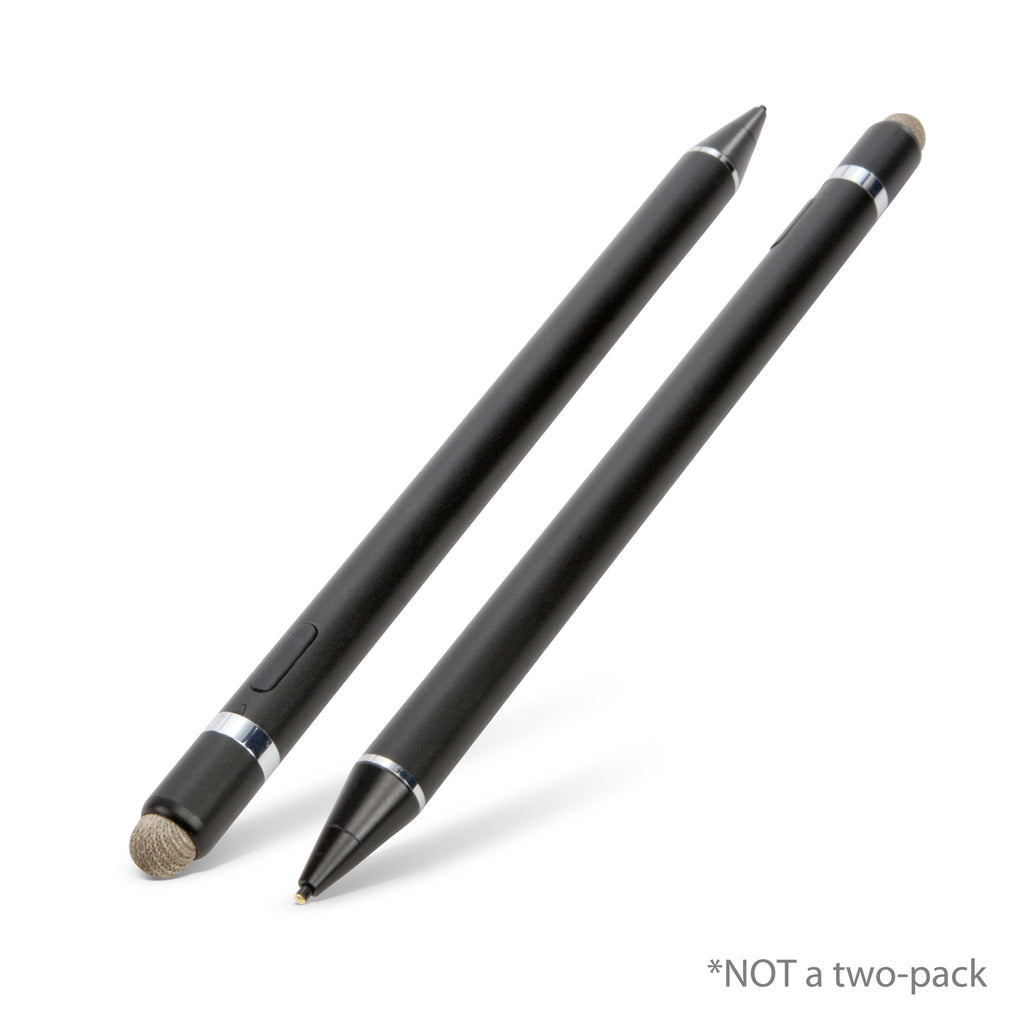
The Ultimate Comparison: Stylus vs. Pen - Which Delivers Better Creativity?
In today's digital age, the tools we choose for creative expression can significantly impact our artistic output. When examining stylus vs. pen, it's vital to consider how each tool influences creativity. A stylus, designed for use on tablets and touchscreen devices, offers unparalleled precision and versatility, enabling artists to employ various techniques such as layering, blending, and even texturing digitally. On the other hand, traditional pens bring a tactile experience, allowing for greater control over line weight and enabling unique ink flow that many creators cherish. Thus, the choice between these tools largely depends on the individual artist's style and their preference for either digital flexibility or traditional authenticity.
Moreover, the ultimate comparison between a stylus and a pen also extends to the platforms they support. While a stylus is optimal for digital drawing applications like Procreate or Adobe Fresco, a pen allows artists to easily create on paper, where the texture and flow of the medium can greatly enhance creativity. Artists often find that hybrid approaches—using both a stylus for digital mock-ups and a pen for finished pieces—can yield the best results. In the end, the best tool for creativity is subjective, linking back to each creator's unique expression and the mediums that resonate with their art.
Counter-Strike is a team-based first-person shooter that has captivated gamers since its inception. Known for its tactical gameplay and competitive scene, it offers a range of maps and game modes that require teamwork and strategy. For players looking to enhance their gaming experience, check out the Top 10 iPad Accessories for Remote Work to find tools that might improve your setup.
Top 5 Features to Look for When Choosing the Perfect Stylus
When choosing the perfect stylus, there are several key features that can greatly enhance your drawing or writing experience. The first feature to consider is pressure sensitivity. A stylus with high pressure sensitivity allows for more control over line thickness and shading, making it an essential tool for artists and designers. Additionally, look for compatibility with your device; not all styluses work seamlessly with every touchscreen. Ensure that the stylus you choose is compatible with your tablet or smartphone to maximize functionality.
Another important feature is the tip material. Stylus tips can be made from rubber, plastic, or even fine-point technology, each offering different levels of precision and feel. A fine-tip stylus, for example, can provide a more natural writing experience similar to a pen. Lastly, consider the battery life and extra features, such as programmable buttons that can boost your productivity. By focusing on these five elements, you can find a stylus that perfectly matches your needs and enhances your creative workflow.
Is Your Writing Style Better Suited for a Stylus or Traditional Pen?
When it comes to choosing between a stylus and a traditional pen, understanding your writing style is essential. A stylus, particularly on devices like tablets, can enhance your digital writing experience, allowing for easy revisions, seamless integration with apps, and the ability to incorporate various forms of media into your notes. For instance, if you enjoy drawing or need to include diagrams in your writing, a stylus might be better suited for you as it provides precision and versatility. Moreover, the digital format facilitates organization and searchability of your notes, which is a significant advantage for those who frequently refer back to their work.
On the other hand, traditional pens offer a tactile experience that many writers find irreplaceable. The satisfying feel of ink gliding smoothly on paper can make your thoughts flow more freely, which is why many people prefer using a traditional pen for brainstorming and creative writing. Furthermore, research has shown that writing by hand can improve memory retention and cognitive engagement. If you value the sensory aspects of writing and find inspiration in the physical act of penmanship, a traditional pen might be the better choice for you. In the end, it boils down to your personal preferences and how you connect with your writing medium.