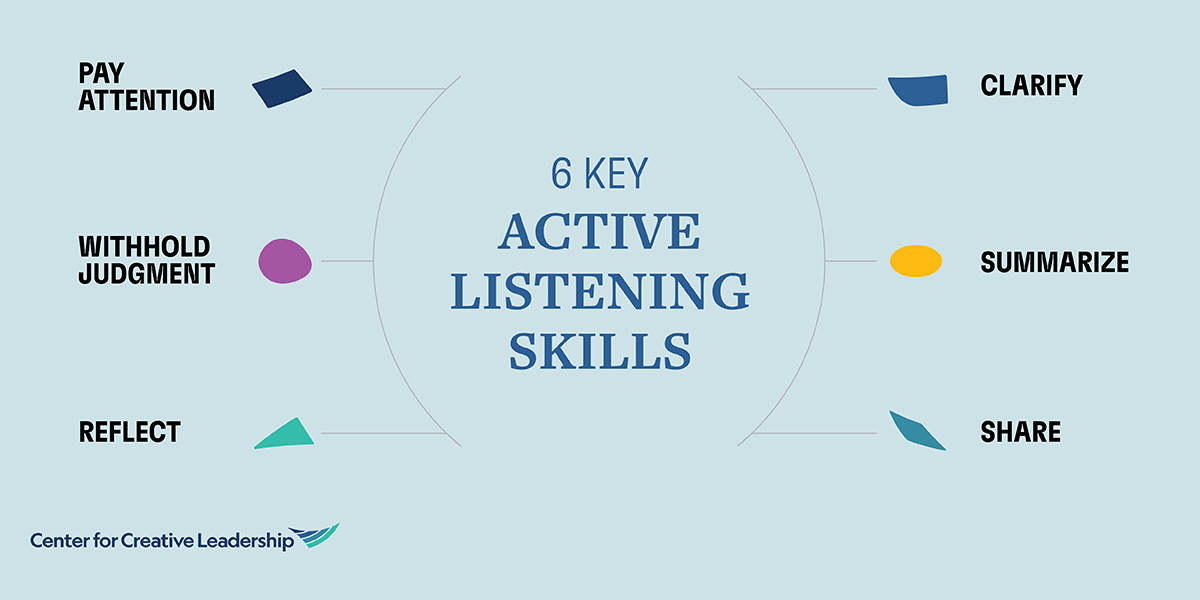
The Power of Active Listening: How Hearing Can Transform Your Relationships
The power of active listening goes beyond merely hearing words; it involves fully engaging with the speaker and demonstrating genuine interest in their thoughts and feelings. When you practice active listening, you create a safe space for open communication, which fosters trust and intimacy. This enhanced level of understanding can lead to deeper connections and stronger relationships. By nodding, maintaining eye contact, and providing verbal affirmations like 'I see' or 'That makes sense,' you show the other person that their message has value and significance.
Furthermore, active listening can help to transform your relationships by reducing misunderstandings and conflicts. When you genuinely listen to others, you can better grasp their perspectives and emotions. This can help you respond more empathy and clarity. As you practice this skill, watch how it not only strengthens your personal connections but also enriches professional interactions. Remember, becoming a better listener is a continuous journey that requires commitment and practice, but the rewards of improved communication and rapport are undeniably worth the effort.
Counter-Strike is a highly popular multiplayer first-person shooter that emphasizes team-based strategy and skill. Players join either the terrorist or counter-terrorist team and compete to complete objectives, such as planting or defusing bombs. For gamers seeking to enhance their experience, checking out the Top 10 Headphone Cable Replacements can significantly improve sound quality and immersion in the game.
Are You Really Listening? Common Barriers to Effective Communication
Effective communication is essential in both personal and professional relationships, yet many individuals face significant barriers that prevent them from truly listening. A common barrier is distraction; whether it's the pull of digital devices or external noise, distractions can dilute our ability to focus on the speaker. Additionally, preconceived notions and biases may lead us to filter information based on our own experiences, making it challenging to engage fully. According to a study by the International Listening Association, approximately 75% of our communication is listening, but only about 25% of people are trained to listen effectively.
Another barrier to effective communication is emotional interference. When feelings such as anger, anxiety, or even excitement surface during a conversation, they can cloud our perception and judgment. It's important to recognize these emotions and manage them, allowing for clearer communication. In addition, some may struggle with empathetic listening, often prioritizing their responses over understanding the speaker's message. To break through these barriers, individuals should practice active listening techniques, such as summarizing what the speaker has said and asking clarifying questions, which foster a deeper level of understanding and connection.
Can Your Ears Help You Understand Emotions Better?
It is fascinating to consider how our sense of hearing influences our emotional understanding. Many studies suggest that our ears play a crucial role in decoding emotions conveyed through tone, pitch, and volume in human speech. For instance, a raised voice can indicate excitement or anger, while a softer tone may signal intimacy or sadness. This auditory information allows us to gauge the emotional state of others, enhancing our ability to respond appropriately in social situations. In fact, research shows that people can discern feelings such as happiness, fear, and surprise simply by listening to the variations in someone's voice.
Moreover, hearing aids or auditory training can significantly improve emotional intelligence, especially for those with hearing impairments. By enhancing their hearing capabilities, individuals may find it easier to interpret the nuances in others' voices and emotional expressions. This highlights a key aspect of communication that goes beyond just spoken words; emotional nuance is often embedded in how something is said. As we continue to explore the connections between our senses and emotional intelligence, it becomes clear that our ears are not just instruments for hearing; they are essential tools for understanding the world and the people around us.