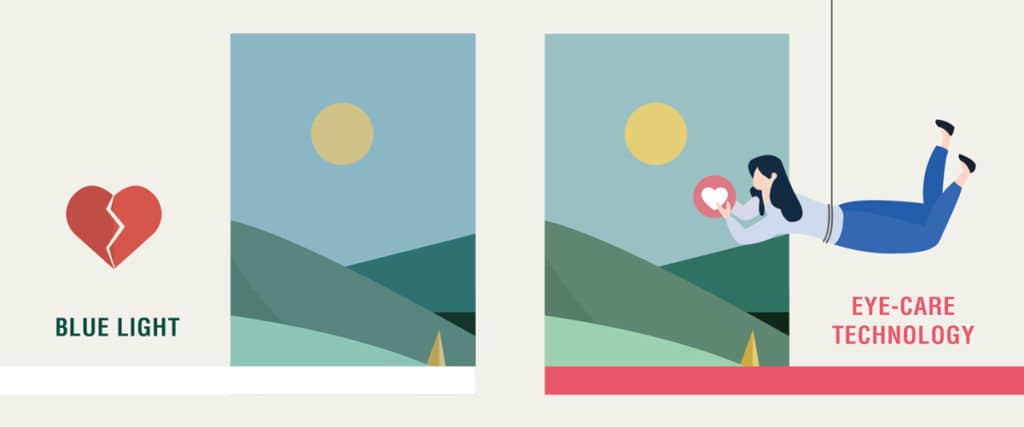
Understanding Blue Light: How It Disrupts Sleep Patterns
Blue light is a high-energy visible light that is emitted by digital screens, such as smartphones, tablets, and computers, as well as energy-efficient LED lighting. Exposure to blue light, particularly in the evening, can significantly disrupt our natural sleep-wake cycles. The human body relies on a hormone called melatonin to regulate sleep, and exposure to blue light inhibits melatonin production, making it harder to fall asleep and stay asleep. As a result, many individuals find that late-night screen time is linked to difficulty in getting a restful night’s sleep.
To combat the negative effects of blue light on sleep patterns, consider implementing screen time restrictions in the hours leading up to bedtime. Here are some effective strategies:
- Use blue light blocking glasses when using screens at night.
- Adjust device settings to warmer tones during the evening.
- Establish a consistent bedtime routine that eliminates screens at least an hour before sleep.
By taking these precautions, you can help restore your natural sleep rhythms and improve overall sleep quality.
Counter-Strike is a popular team-based first-person shooter game that pits terrorists against counter-terrorists in a series of objective-driven matches. The game has gained immense popularity in the esports community, and players often seek ways to enhance their gaming experience. For instance, using the Top 10 Phone Accessories for Eye Strain can help players manage their screen time and reduce eye fatigue during long gaming sessions.
Top Tips for Reducing Blue Light Exposure Before Bedtime
Reducing blue light exposure before bedtime is essential for promoting better sleep quality and overall health. One of the most effective strategies is to establish a digital curfew by turning off electronic devices such as smartphones, tablets, and computers at least one hour before going to bed. This gives your eyes a chance to adjust to the natural light cycle and produce melatonin, the hormone responsible for regulating sleep. Consider replacing screen time with relaxing activities like reading a book or practicing meditation to help unwind.
In addition to limiting screen time, you can also implement the use of blue light filters on your devices. Many smartphones and computers offer settings to reduce blue light emissions, especially in the evening. Alternatively, you can invest in specialized glasses that filter out blue light. Furthermore, adjusting the lighting in your bedroom to include warmer tones can create a more sleep-friendly environment. Incorporating these small adjustments into your nightly routine can significantly enhance your sleep experience and overall well-being.
Is Your Bedroom a Tech Sanctuary? The Impact of Screens on Sleep Quality
In today's digital age, it's not uncommon for our bedrooms to double as tech sanctuaries, filled with screens and devices that keep us connected around the clock. However, research has shown that the blue light emitted by smartphones, tablets, and laptops can significantly disrupt our sleep quality. Screen time before bed can interfere with the production of melatonin, the hormone responsible for regulating sleep, leading to difficulties in falling asleep and staying asleep through the night. A study by the National Sleep Foundation found that individuals who engage in excessive screen time in the evening report feeling less rested upon waking, highlighting the importance of managing our digital habits.
To improve your sleep quality, consider implementing a screen-free zone in your bedroom or setting a digital curfew a few hours before bedtime. You might also explore alternative nighttime routines, such as reading a physical book, practicing mindfulness, or meditating. By prioritizing restful sleep over screen time, you can transform your bedroom from a tech sanctuary back into a peaceful retreat, ensuring that you wake up feeling refreshed and ready to tackle the day. Ultimately, striking a balance between technology and rest is key to maintaining both our emotional well-being and physical health.