Exploring the Impact of Pixels on Virtual Reality Experiences
In the rapidly evolving world of virtual reality (VR), the significance of pixels cannot be overstated. These tiny dots serve as the building blocks of immersive experiences, influencing both the quality of visuals and the overall user experience. High pixel density enhances clarity, allowing users to engage more deeply with VR environments. For instance, a display boasting a higher resolution can reduce the visibility of the screen door effect—an optical illusion that can detract from immersion. The transition from standard HD to 4K displays has marked a significant shift in how users perceive virtual worlds, where finer details create a sense of realism that draws users in.
Moreover, the impact of pixels extends beyond just visual fidelity. It also plays a crucial role in aspects like performance and usability. When developing VR content, designers must find a balance between high-resolution graphics and the processing power required to maintain fluid performance. If the pixel count is too high for the hardware to manage, users may experience lag, which can lead to motion sickness and a break in the immersive flow. This balance is essential in crafting VR experiences that are not only visually stunning but also comfortable to navigate. In conclusion, as technology advances, optimizing pixel usage will remain a key focus for developers seeking to elevate the virtual reality experience.
Counter-Strike is a popular first-person shooter game that has gained a massive following since its release. Players engage in team-based gameplay, where two teams, terrorists and counter-terrorists, compete to complete objectives or eliminate each other. For those who enjoy gaming on the go, consider checking out the Top 10 iphone cooling fans to keep your device cool during intense gaming sessions.
How Pixels are Transforming Augmented Reality: A Deep Dive
In recent years, pixels have become the backbone of augmented reality (AR) technology, revolutionizing how we interact with digital content. As AR applications gain traction across various industries, the role of pixels in creating immersive experiences cannot be overstated. By seamlessly blending the real and virtual worlds, pixels enable developers to create lifelike imagery that enhances user engagement. This transformation is largely attributed to advancements in display technology, computer vision, and GPU processing power, which collectively drive the resolution and clarity of pixel representation in AR environments.
Moreover, the impact of pixels extends beyond just visual fidelity. In augmented reality applications, the ability to manipulate pixel data in real-time allows for dynamic interactions that enhance the user experience. For example, markers and object tracking are heavily reliant on accurately rendered pixels to ensure smooth integration of virtual elements within physical spaces. As we delve deeper into the mechanics of AR, it becomes clear that the quality, density, and responsiveness of pixels not only shape our perception but also define the future potential of augmented reality as a transformative technology.
What Role Do Pixels Play in Creating Immersive Gaming Worlds?
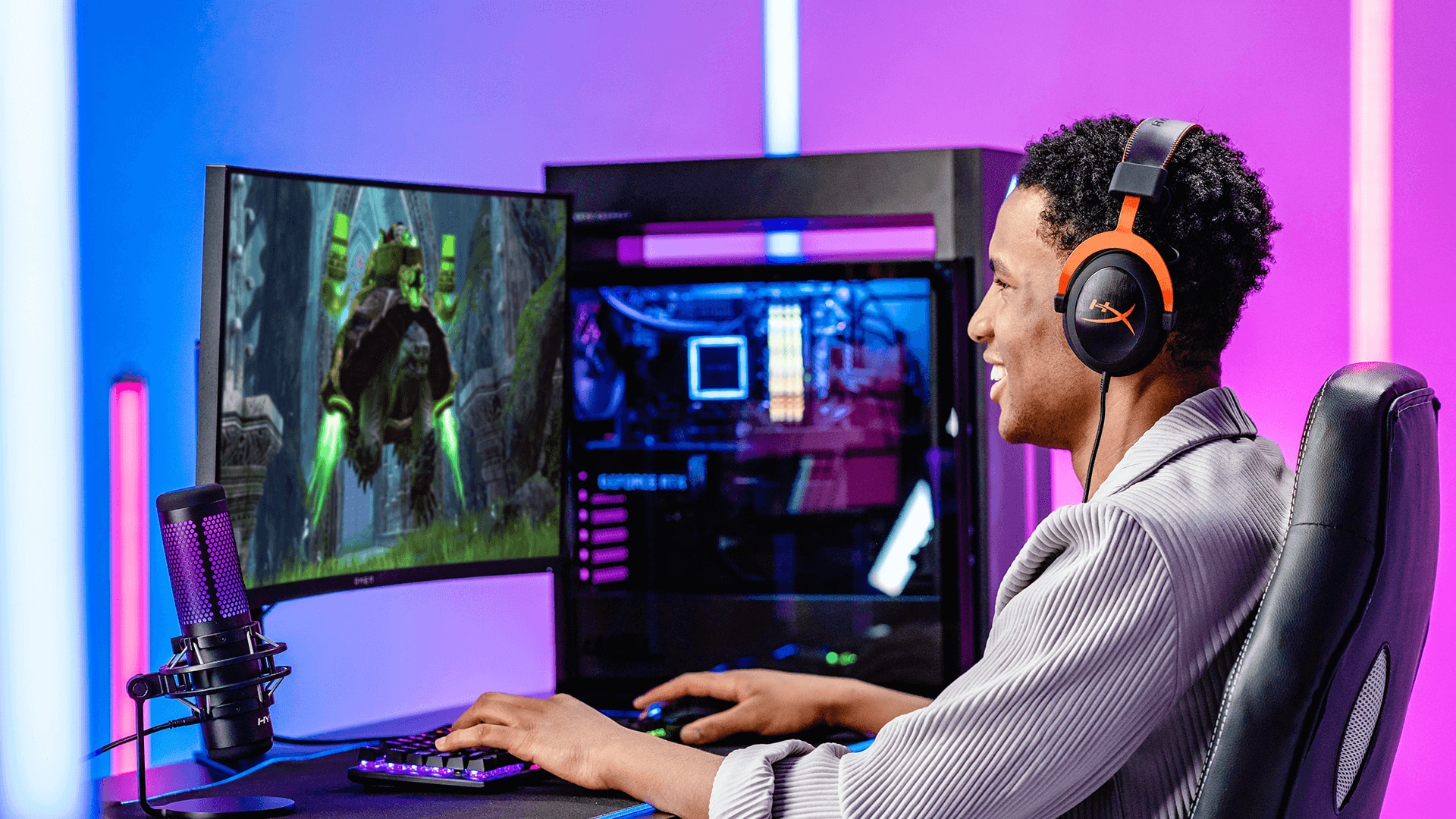
Pixels serve as the fundamental building blocks of all visual content in video games, playing a crucial role in shaping immersive gaming worlds. Each pixel represents a single point in an image, and when combined, they create intricate visuals that captivate players. The higher the pixel density, the more detailed and lifelike the game's environment becomes. This is especially important in 3D gaming, where the rendering of textures, lighting, and shadows can significantly enhance the player's experience. As technology advances, developers are able to create larger game worlds filled with vibrant details that draw players into the narrative and environments they explore.
Moreover, the way pixels are manipulated in a game can impact not just aesthetics but also gameplay mechanics. For instance, pixel art games utilize a lower resolution to create a unique retro aesthetic that resonates with a sense of nostalgia. On the other hand, high-definition pixels in modern gaming allow for complex animations and realistic physics simulations, making gameplay more engaging. The interplay between graphics and gameplay mechanics achieved through pixel manipulation can lead to more immersive experiences, as players feel a deeper connection to the environments and stories crafted within these pixelated realms.