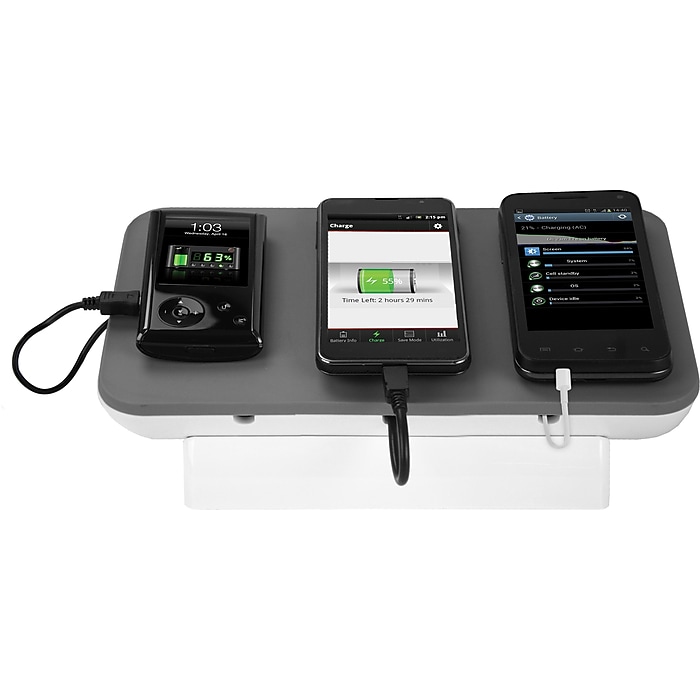
The Future of Charging Stations: What Innovations Can We Expect?
The future of charging stations is set to undergo significant transformations as we adapt to the increasing demand for electric vehicles (EVs). One of the most anticipated innovations is the development of ultra-fast charging technology, which could reduce charging times to mere minutes. Furthermore, the integration of renewable energy sources, such as solar panels, at these charging locations is becoming a priority. This not only enhances sustainability but also provides cost-effective solutions to power hybrid charging stations. As cities expand their infrastructure, we can expect to see a mix of wireless charging solutions being rolled out in urban centers, allowing EV users to charge their vehicles conveniently while parked without the need for physical connections.
Another exciting prospect for the future of charging stations lies in the advancement of smart features. Equipped with IoT technology, these stations will provide users with real-time data about charging availability, wait times, and pricing through mobile apps. Additionally, features like automated payment systems and reservation capabilities are expected to enhance the user experience. With the rise of autonomous vehicles, we may also see charging stations that can communicate directly with vehicles to optimize charging schedules, thereby reducing peak load times on the grid. As these trends continue, it’s crucial for stakeholders to invest in research and infrastructure to support the burgeoning EV market.
Counter-Strike is a popular multiplayer first-person shooter game that pits teams of terrorists against counter-terrorists in various mission-based scenarios. Players must work together to complete objectives such as bomb planting or hostage rescue. To enhance your gaming experience, you might also want to check out the Top 10 Wireless Chargers for Pixel Devices for convenient charging while you play. The game's strategic elements and competitive nature have made it a staple in the eSports community.
How Charging Stations Have Changed: A Look Back at Their Evolution
The evolution of charging stations has been remarkable over the past few decades, mirroring the rapid advancements in electric vehicle technology. In the early days, charging stations were few and far between, primarily serving niche markets and dedicated electric car owners. These early stations were often slow and cumbersome, taking several hours to charge a vehicle. However, as the demand for electric vehicles (EVs) surged, the charging infrastructure began to expand significantly. Fast charging stations emerged, drastically reducing the time needed for a full charge, which opened up electric mobility to a broader audience.
Today, we find ourselves in an era where charging stations are not just functional but integral to the driving experience. With the rise of smart charging technologies and renewable energy sources, charging stations are becoming more accessible and environmentally friendly. They are often equipped with user-friendly interfaces, payment options, and even amenities such as coffee shops or waiting lounges. Moreover, the advent of mobile apps allows users to locate stations easily and track their charging progress, enhancing the overall convenience of owning an electric vehicle. The future of charging stations looks brighter than ever, promising to support the transition to sustainable transportation.
Are We Ready for Wireless Charging? Exploring the Next Big Leap in Charging Technology
As technology continues to advance, wireless charging is emerging as a revolutionary solution that could transform the way we power our devices. With the increasing reliance on mobile devices, smartwatches, and other electronic gadgets, the need for a more convenient charging method is more pressing than ever. The core concept of wireless charging involves transferring energy through electromagnetic fields, eliminating the need for pesky cables and adapters. This not only streamlines our daily routines but also adds a layer of safety by reducing wear and tear on charging ports.
However, the question remains: are we ready for wireless charging? While the technology has made significant strides in recent years, several challenges must be addressed before it can become mainstream. First, the efficiency of wireless charging needs improvement to match that of traditional charging methods. Additionally, standardization across devices and manufacturers is crucial to ensure compatibility and user adoption. As we explore this next big leap in charging technology, it is essential to weigh the benefits and drawbacks to determine whether we are truly ready to embrace this innovative approach.