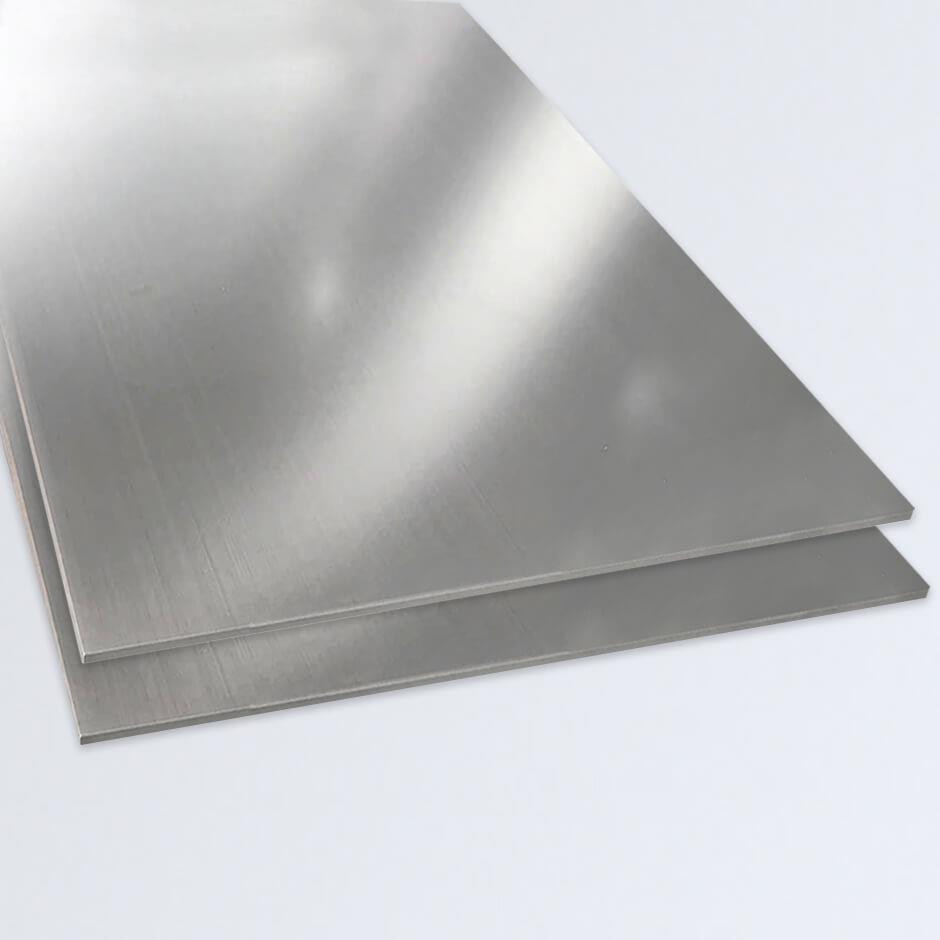
The Versatility of Aluminum: Exploring Its Applications in Various Industries
Aluminum is a remarkably versatile metal that has found its way into numerous industries due to its unique combination of lightweight properties and high corrosion resistance. From the aviation sector, where it's used for aircraft structures and components, to the automotive industry, where manufacturers leverage aluminum for lightweight vehicle construction, its applications are diverse. In packaging, aluminum plays a crucial role in creating foil wraps and cans that preserve food, while in construction, it's utilized for window frames, roofing, and insulation materials. Additionally, the electronics industry benefits from aluminum in the production of heat sinks and housings, showcasing its adaptability across various domains.
Moreover, the versatility of aluminum extends to the renewable energy sector, where it is increasingly used in solar panels and wind turbines due to its lightweight and durable nature. The metal's ability to be recycled without losing quality makes it an eco-friendly choice, further enhancing its appeal in industries focused on sustainability. Engineers and designers are continually discovering new ways to incorporate aluminum into innovative products, reflecting its ongoing significance in modern manufacturing and design. By utilizing aluminum, businesses can improve efficiency, reduce energy consumption, and contribute to a greener planet.
If you're looking for a reliable and stylish solution to hold your device, check out the Top 10 Aluminum Phone Stands. These stands offer excellent stability and sleek designs, making them perfect for both home and office use. From adjustable heights to compact folding options, there's something for everyone on this list.
How Aluminum is Revolutionizing Transportation: Lightweight Solutions for a Greener Future
The increasing emphasis on sustainability in the transportation sector has brought aluminum to the forefront as a leading material for innovation. Its remarkable lightweight nature not only contributes to enhanced fuel efficiency but also reduces greenhouse gas emissions. Vehicles constructed with aluminum can achieve significant weight reductions—often up to 50% compared to traditional materials—which translates into lower energy consumption and operational costs. This shift towards lighter solutions is not just limited to automobiles; aluminum is being widely adopted in the aerospace and rail industries, where every kilogram matters for performance and efficiency.
Moreover, aluminum is highly recyclable, making it an ideal choice for a greener future. The recycling process requires only a fraction of the energy needed to produce new aluminum, thus lessening the overall carbon footprint. As the demand for sustainable practices in transportation grows, the adoption of aluminum offers a dual benefit: lightweight solutions that improve efficiency while promoting an eco-friendly lifecycle. By embracing this versatile metal, industries can make significant strides toward achieving their sustainability goals and facilitating a cleaner, more responsible mode of transit.
Aluminum vs. Steel: Which Material Is Best for Your Project?
When it comes to choosing between aluminum and steel, understanding their unique properties is crucial for making an informed decision. Aluminum is known for its lightweight nature, high corrosion resistance, and excellent malleability, making it ideal for applications where weight savings is paramount, such as in the aerospace and automotive industries. On the other hand, steel boasts superior strength and durability, which makes it the go-to choice for construction and heavy-duty applications. The choice ultimately depends on the specific requirements of your project, such as environmental exposure, load-bearing capacity, and maintenance considerations.
Both materials also vary in cost and availability. Aluminum tends to be more expensive than steel, which can be a significant factor for budget-conscious projects. However, the longevity and low maintenance of aluminum may offset its initial cost over time. To help you choose the best material for your project, consider the following factors:
- Strength Requirements: Evaluate the load and stress the material will face.
- Corrosion Resistance: Ensure the material can withstand the environmental conditions it will be exposed to.
- Cost vs. Value: Balance the initial investment with long-term benefits.